Jadro River
0
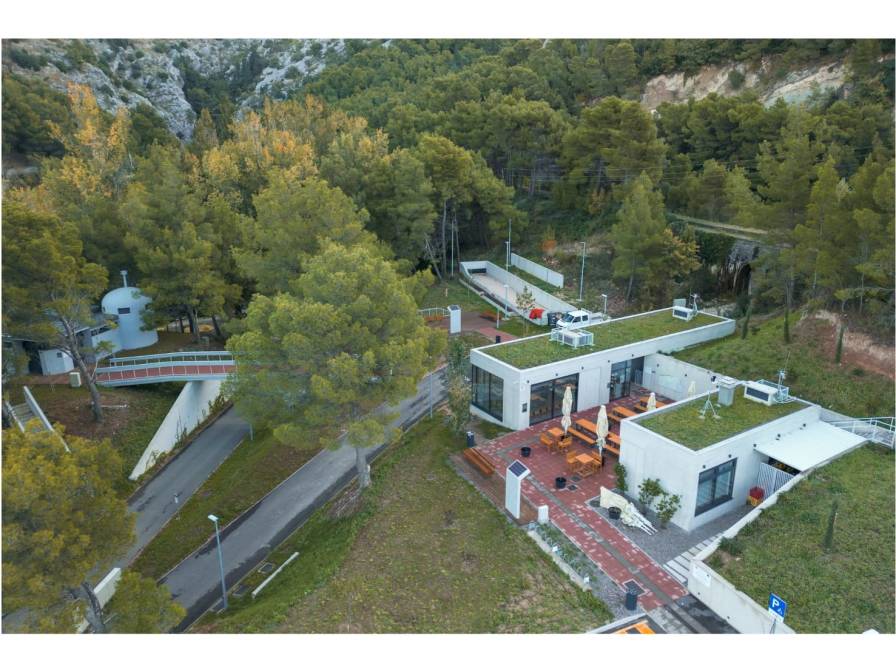
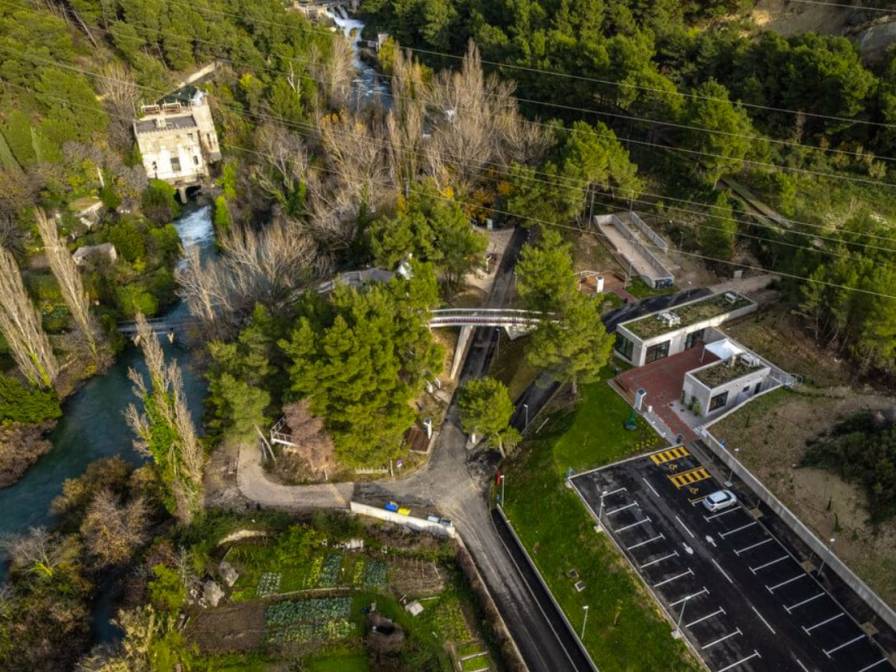
In front of you is the Jadro River, also known as the "Solinska Rika" - seemingly short, but so important that over the centuries it has become the lifeblood of the entire region. Imagine, only 4.5 kilometers of flow, and half of Dalmatia drinks from its sources: Split, Kaštela, Trogir and of course Solin, the city that owes its life and name to it. The Jadro springs at the foot of the mighty Mosor, at a height of 35 meters, and from the first meters it carries stories of ancient Illyrians, Roman emperors and Croatian kings. It is no coincidence that it is called the "Croatian Jordan" - it was in its clear waters that Croats accepted Christianity, and the symbolism of that act lives on today. The river is a true karst phenomenon: its water comes from deep underground streams, and the entire Jadro basin is estimated to be as much as 250 to 500 km² - which means that it is partly fed by the same underground as the Cetina. The upper reaches of the Jadro were declared a special reserve because of the endemic soft-mouthed trout, the “Solinka”, a fish that lives nowhere else in the world. Unfortunately, today it is threatened by the invasive rainbow trout, which has caused quite a bit of an ecological alarm. In ancient times, the Jadro was the source of life for Salona and later Diocletian’s Palace. Imagine, the Romans built a 9-kilometer-long aqueduct, twice as long as the river itself, to bring water to Split – and the remains of this engineering marvel are still visible today. Legend has it that Diocletian himself played on the banks of the Jadro as a child, and as an emperor he returned to drink water from the river of his childhood. The Middle Ages brought new symbolism: the islets formed by the Jadro’s branches became the coronation and burial sites of Croatian kings. Gospin Otok and Hollow Church guard the tomb of Queen Jelena and the memory of the coronation of King Zvonimir in 1075. Today, Jadro is much more than a historical monument – it is a living park in the heart of Solin, with bridges, ducks, swans and the only preserved mill, the 18th-century Gašpina Mill, where you can still see how grain was once ground. The river is also a natural refuge for birds such as herons and cormorants, and its water remains a symbol of the purity and durability of Solin's heritage.