Jabuka
0
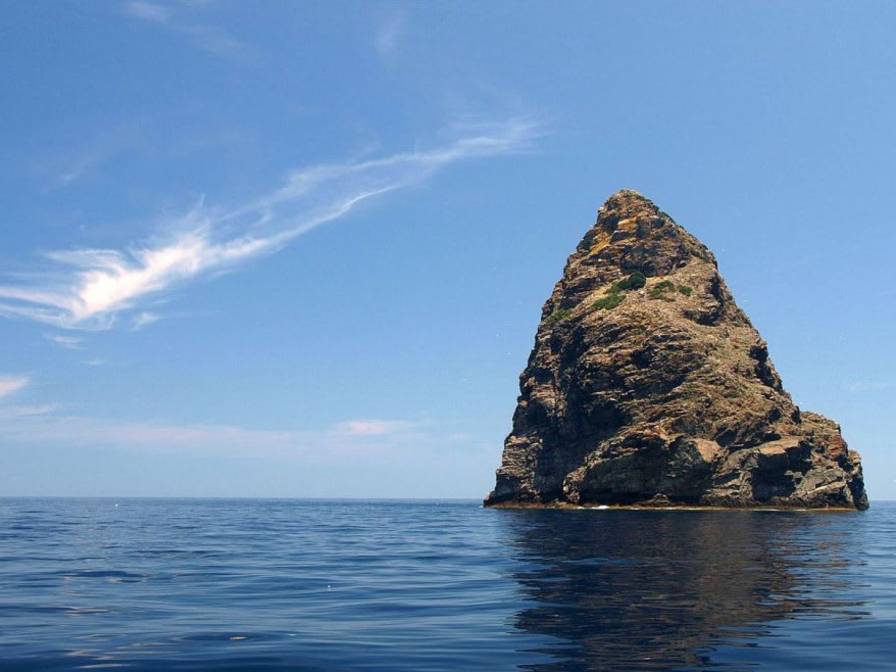
Like a dark pyramid emerging from the depths, Jabuka rises 30 nautical miles west of Komiža. At 97 meters high and with a circumference of about 700 meters, this islet, built of deep-sea igneous rock called diabase, has been a geological monument of nature since 1958. Jabuka is harsh and untamable. It has no bays, no docks, and offers no shelter to any boat. Its smooth rocks are not eaten away by the sea, but polished, so that even a rope cannot be securely tied. The deep seabed makes anchoring difficult, and the magnetite in the rocks disrupts compasses - which makes sailing near it particularly dangerous in poor visibility. Despite this, for centuries, Komiža fishermen have dared to come here. In winter, they used their falkuša to catch fish and crabs in the rich seabed, exposing themselves to the bora, storms, and the dangers of the open sea. They could not stay on the island itself, but they still left a trace – about twenty toponyms that still bear witness to their presence today. Jabuka is also home to rare wildlife. The Jabuka black lizard lives on its rocks, and the endemic species Centaurea jabukensis and Centaurea chritmifolia grow among the plants. Black, lonely and inaccessible, Jabuka stands at the far edge of the eastern Adriatic – like a stone sentinel, a guardian of the sea desert and a silent witness to the courage of the fishermen who dared to sail to it.