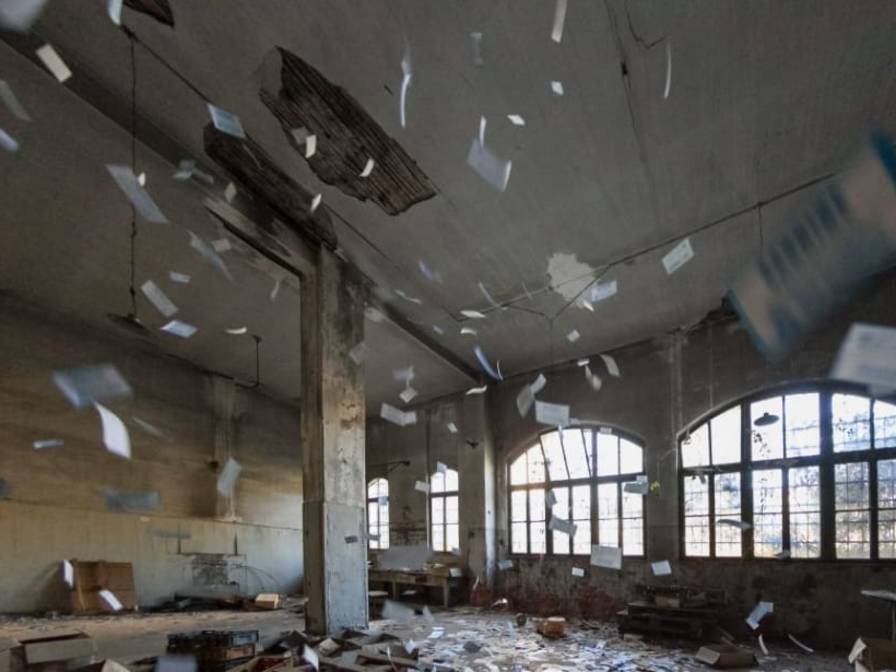
Neptune Factory
0
In the first half of the 20th century, Komiža experienced a strong rise in the fishing industry. It was here that the first industrial facilities in Dalmatia were built – factories where sardines and other blue fish were packed and fried. Products from Komiža were in demand throughout Europe. A special role was played by the women who worked in these factories, called tobakines. They were named after the tobacco factory in Rovinj, because before the establishment of the Komiža factories on the eastern Adriatic coast, there were only tobacco factories, not fishing industries. Many of these women came from other parts of Dalmatia and the Dalmatian hinterland, contributing to the demographic picture of Komiža. After World War II, production began to decline. Some of the factory owners emigrated, and only the Neptun factory, reorganized according to the principles of self-management socialism, continued to operate. The factory was of great importance to the local population because it employed almost every worker and provided security for families. The majority of employees were women. Neptun was known for processing sardines and anchovies, and it fed Komiža for more than a century. The factory operated until the Homeland War, when it was closed in 1993. It reopened two years later, precisely on the feast of St. Nicholas, the patron saint of sailors and fishermen. Despite the renovation, the factory ended up in bankruptcy in 2003. The reasons were non-payment of salaries, large debts and loss of market. The bankruptcy was initiated at the request of the workers themselves, who had previously organized a referendum against the factory's operation in the tourist town of Komiža. This closed the oldest fish processing factory in the Mediterranean, which for 135 years was the foundation of life in Komiža and an example of the fish industry from which they learned outside of Europe. The factory was then purchased for 14.7 million kuna by South African entrepreneur Philip Vermeulen, with the idea of starting a museum production that would fit into the tourist offer of the island of Vis. However, Neptun's production lines ended in Serbia, where the company Interfish launched a modern tuna processing plant.