



Berries
0
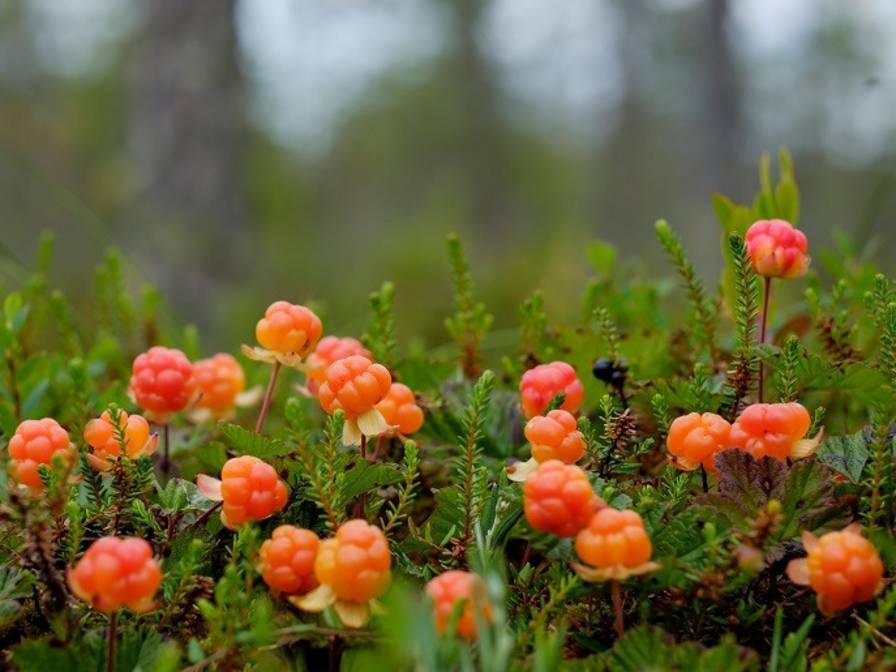
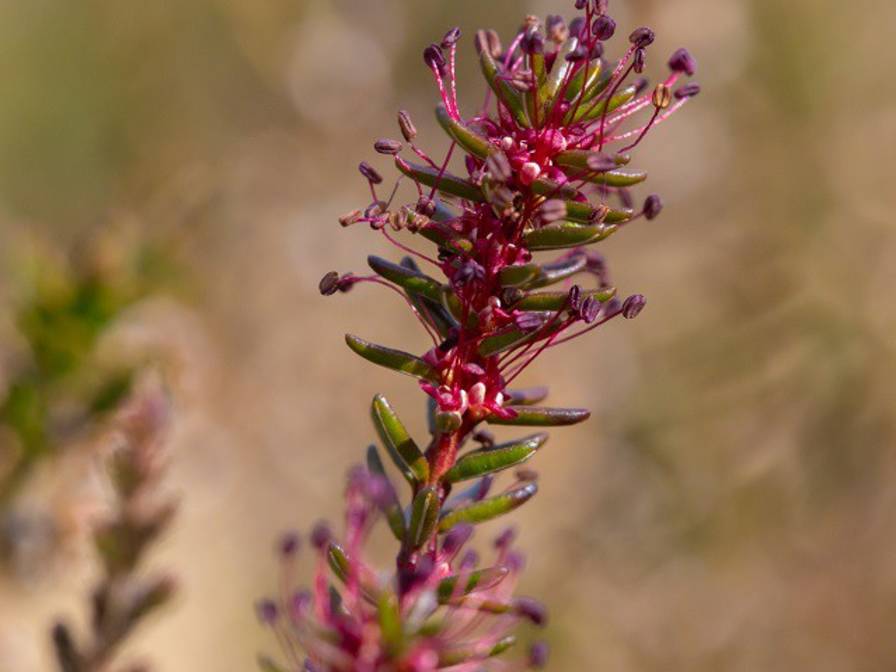
Mammals and fowl alike thrive on the plants that grow in the mountains. As humans, we are particularly interested in mountain berries. Along the paths in the marshes we find cloudberries which are considered a delicacy. They are used to make jams, liqueurs and milky custards. The flower is white and very sensitive to frost. After a late freeze in the spring, the cloudberry blossoms may not be able to survive, meaning less berries in the fall. The berries are red and harden as they grow; once mature, they become soft and orange in color. The birds' favorite treat is the crowberry. Crowberries are almost black in color; when digested, they turn the birds' feces blue or purple. The crowberry is sour and has many hard seeds but is good for making juice. The leaves contain a toxin. When the leaves fall off the plant and break down, these toxins are released and can prevent competing plants from growing too close to the crowberry. The lingonberry plant has beautiful white bellflowers. In autumn, these turn into bright red berries that taste a bit sour. The berries contain benzoic acid, a common preservative used in the food industry. Jams made of lingonberries contain this natural preservative in abundance, allowing for a shelf life of several years! Lingonberries grow where it is sunny but dry. The leaves have a shiny wax layer on the upper side that protects against drying out.