


Marshes and wetlands
0
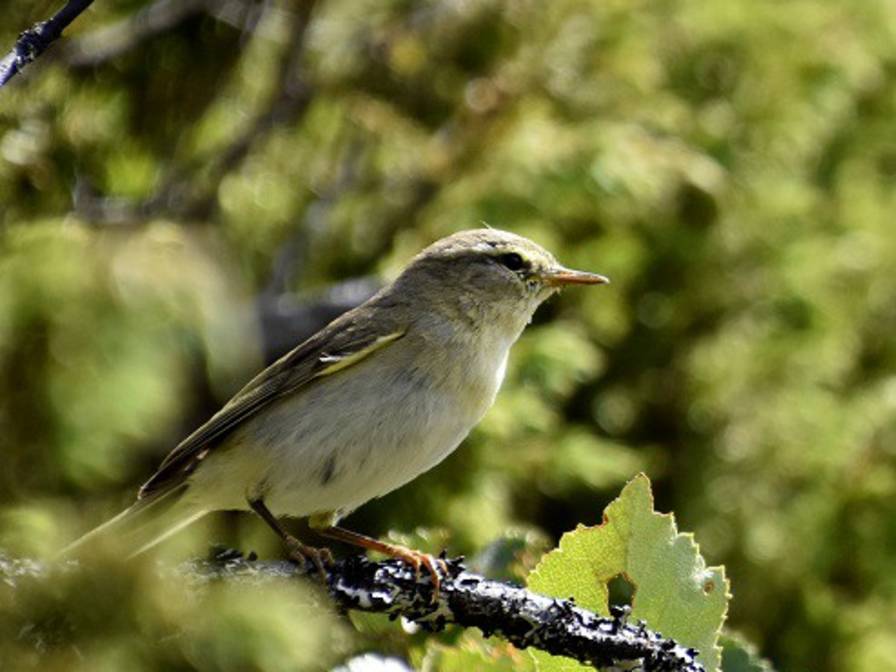
Norway has a lot of marshes and because it is so cold, there is little evaporation. In fact, 9% of Norway's area is considered marshland. The marshes function as natural mitigators in extreme weather: When conditions are too dry, they act as water reservoirs that gradually leak water into the surrounding soil. When there is a lot of rain, they are like sponges that soak up huge amounts of water, 13 times their own weight, thereby reducing the flood hazard further down the river. There is a lot of carbon gas stored in the marshes. If all the marshes in Norway were to be excavated, 950 million tons of carbon would be released, corresponding to Norway's greenhouse gas emissions over 66 years. The marshes and wetlands are important resting and nesting sites for many birds. The willow warbler flies all the way from South Africa to Northern Norway during migration in the spring. For the birds, taking a break in these wetlands teeming with mosquitoes, other insects and their larvae is like stopping at a gas station when you are on a long drive. Here the birds can replenish their energy reserves before they continue their journey.