Bergen West

0
Click "DOWNLOAD" and "START" to open the map. You may use the Free Wifi onboard. Wifi: HoponWifi / Password: Hopon12345.
Audio guides available in:
English (British), Norsk bokmål, Español, Français, Deutsch , Italiano
0
Click "DOWNLOAD" and "START" to open the map. You may use the Free Wifi onboard. Wifi: HoponWifi / Password: Hopon12345.
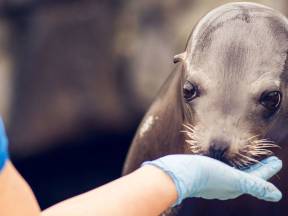
Now you've arrived at the Bergen Aquarium, which is Norway's largest aquarium and one of Bergen's biggest tourist attractions for both young and old. Here, you can get to know sea lions, penguins, otters, Philippine crocodiles, fish, and other fascinating creatures in a magical world both above and below the sea. You get up close and personal and can experience animal feedings and other exciting activities every hour. On the roof, you'll find a fantastic playground with a lovely view over Nordnespynten and the sea. The Aquarium has been an institution in Bergen since 1960 and has Norwegian marine fauna as the foundation for the experiences, although you'll also find animals from other parts of the world. The ocean is one of our most important industries, part of a delicate, global ecosystem, and deeply fascinating. Check out the links for more information.

The boy you see on the statue is called Nordnæstamburen, or Nordnesgutten, and was erected here in 1931. He plays the drums in a "buekorps" and symbolizes a well-known and beloved sight here in the city, especially around May 17th. A "buekorps" is an organization for and by children who march, play drums, blow signal horns, engage in sports, arrange excursions, and many other fun activities. The first "buekorps" were founded around 1850 and initially had the task of maintaining keeping the peace and order in their area, almost like a kind of home defense for children. In the old days, there were only boys in the "buekorps," but now girls have also been allowed to join some corps. In addition to the social aspect, the "buekorps" preserve an important local tradition that still engages both children, youth, and community.
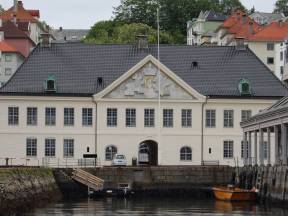
You are now standing in front of Tollboden and here there has been constant activity for several 100 years. The very first customs building was built in 1561 and was considered one of the most important architectural buildings of the 18th century. Unfortunately, it burned down during the dramatic town fire from 1756, which took almost all the buildings from here to the fish market. The building you see today was erected after the city fire, but was badly damaged in 1944, after the Dutch ammunition ship, "Voorbode", exploded at the Fortress Quay on the other side of the fjord. The building was rebuilt more or less in its original form, but parts were later converted into more offices and is today a protected cultural monument.
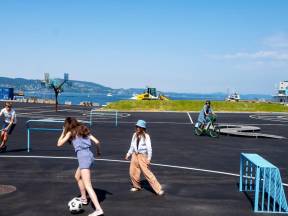
This area is a good example of successful urban development. Just a few years ago, the area was filled with parked and polluting cars. Now the entire area has been turned into Bergen's largest playground and activity area spanning 5 acres (dekar, bedre oversettelse?), filled with happy and healthy children with rosy cheeks. In the quite old days, this was the customs quay, where everyone arriving in Bergen by boat could voluntarily declare international goods for customs. They worked around the clock, as there were many times the customs officers could hear oar strokes out in the fjord at nighttime. This would trigger the alarm, and vigorous customs officers would row out to intercept potential smugglers! Unfortunately, they were not easily deterred by a few officers, no matter how vigorous they may have been. They peppered the officers with stones or struck them with boat hooks and rusty iron rods. Sometimes they had to get help from Bergenhus Fortress that you can see on the other side of the fjord, and they fired live ammunition, but apparently, that didn't help much either.