


Fjordmannstova
0
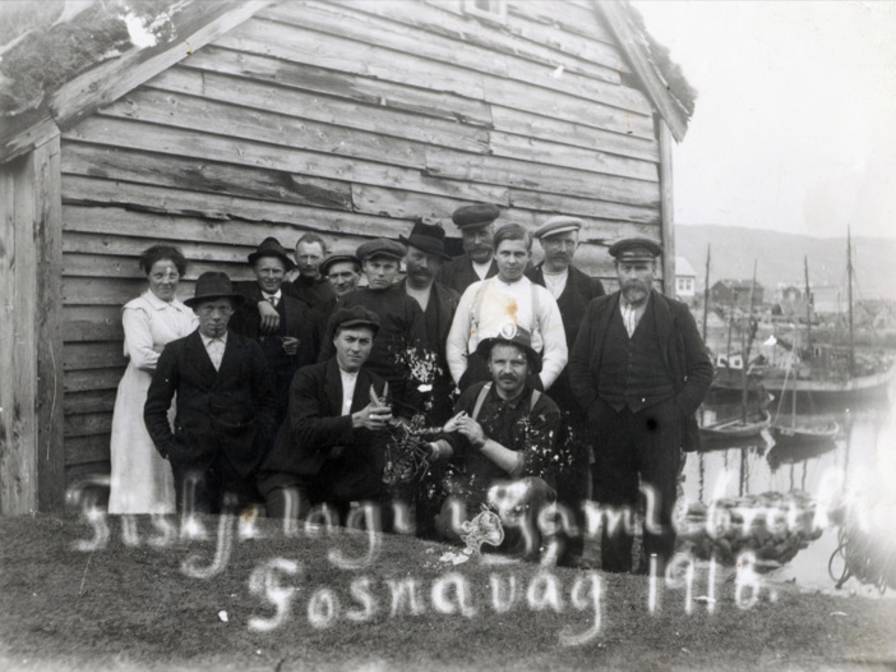
Almost all farmers in western Norway would take to the sea when spawners such as herring and cod neared the shore. Many of the would also go fishing between the main farm seasons in spring and autumn if they could get away from the farm work. Cod fishing was particularly important in Sunnmøre. Seven men would work on board the open-deck åttring boats. They left at dawn and returned to shore in the evening. During winter it was not possible to sleep overnight in open boats. Nor could the fjord dwellers return home from the fishing grounds every single night. They had to seek shelter somewhere along the coast. The fishermen found lodgings with people living on the islands or by building a "rorbu" hut. The islanders named these huts "fjordmannstover" after the men from the fjords who owned them. The "fjordmannstove" on display in the museum was known as "Ulvestadbrakka". It was built in Fosnavåg in 1868 by Lars E. Ulvestad and Rasmus R. Feden from Dalsfjord in Volda. The each captained an "åttring" boat and needed shelter for both crew and equipment. The house has two fireplaces - one in the basement for boiling cod liver oil and one in the west-facing kitchen. In the early years cooking would take place in the fireplace in the kitchen. A stove was later installed in the middle room which was used as a livingroom by the two crews. The dining table stood there, with a dividing line right down the middle. The room also had sleeping accommodation for the cook and for two crew members. The other twelve slept in the attic. The rooms at either end are of post and beam construction. They were used to store chest for food and tackle, tubs and fishing nets. The "fjordmannstove" and the open-deck boat were closely associated with each other. The era of these buildings came to an end with the arrival of decked boats with cabins and engines.