


From the Alta Conflict to the Sami Parliament
0
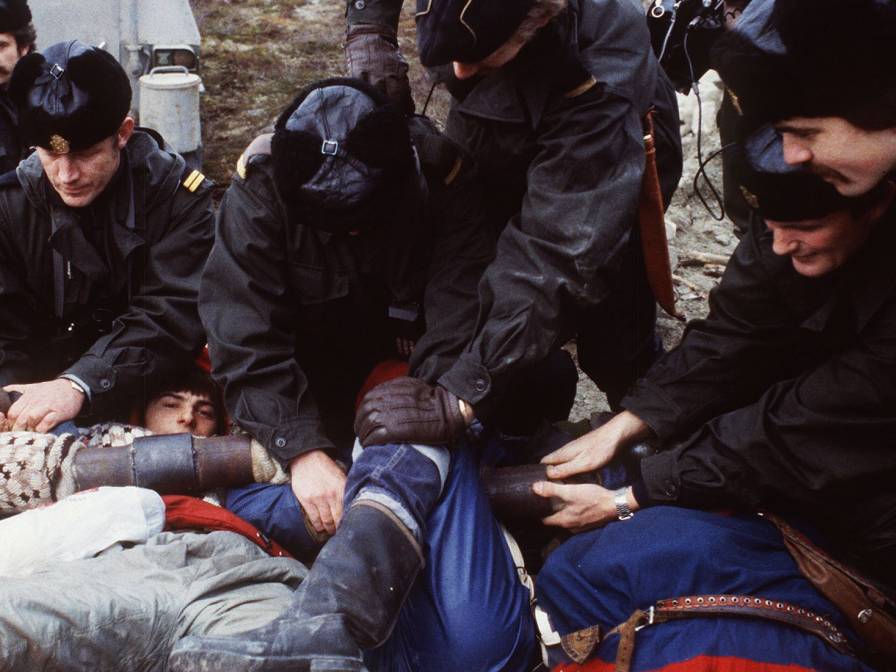
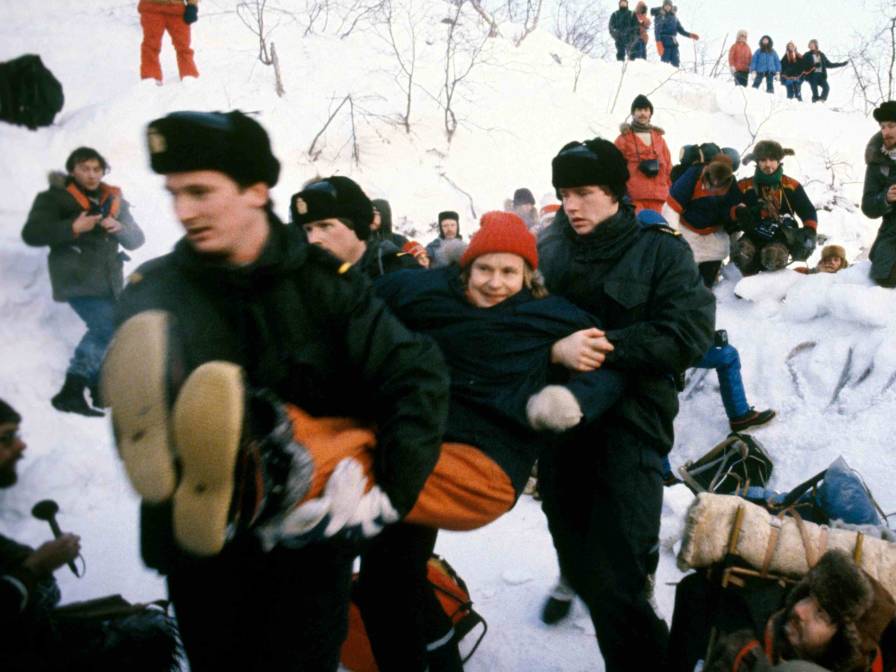
The Alta conflict was an intense political dispute in the 1970s and 80s. It marked an important transition in Sami politics in Norway. The Norwegian government first presented plans to dam the Alta-Kautokeino waterway to build a hydropower plant in 1968. The development would have negative consequences for, among others, Sami cultural monuments, residential areas, and the reindeer husbandry industry. What’s more, the proposal included flooding the Sami village of Máze. Máze was excluded from the plans and permanently protected in 1973. For many, the project became a symbol of Norwegian colonization of Sami lands, which led to major protests and various actions by Sami and environmental politicians, including civil disobedience at the construction site and hunger strikes outside the Norwegian Parliament, or “Storting.” Sámi peoples’ struggle for their rights received attention in the Norwegian and international media, and took place at the same time as an internationally growing indigenous movement. Opposition to the development grew into a nationwide action where Sami and Norwegians stood together against the Norwegian authorities. Many people still remember the TV coverage from when 600 police officers closed in on around 1000 activists who had chained themselves to constructed ice barriers in the Stilla construction area in January 1981. This has been called the Norwegian police's largest action in peacetime. Construction work was later resumed and the Alta dam was opened in 1987. Although the Sami lost the dispute over development, the conflict led to a total reform of Norwegian Sami policy. Due to the massive protests, the authorities set up two committees to investigate Sami rights and cultural issues: the Sami Law Committee and the Sami Culture Committee. The Sami Law Committee's recommendations laid the foundation for the Storting's decision in 1987 to establish separate Sami law and thus the Sámediggi, the Sami Parliament. In 1988, a new provision was made in the Norwegian Constitution, Section 108, which establishes a principled equality between Norwegians and Sami. It says, "It is the responsibility of the state authorities to create the conditions for the Sami people to secure and develop their language, culture and social life.” Do you want to know more? Listen to NRK's Norwegian-language podcast series "The whole story" about the Alta conflict in the link below: