

Sámi Indigeneity
0
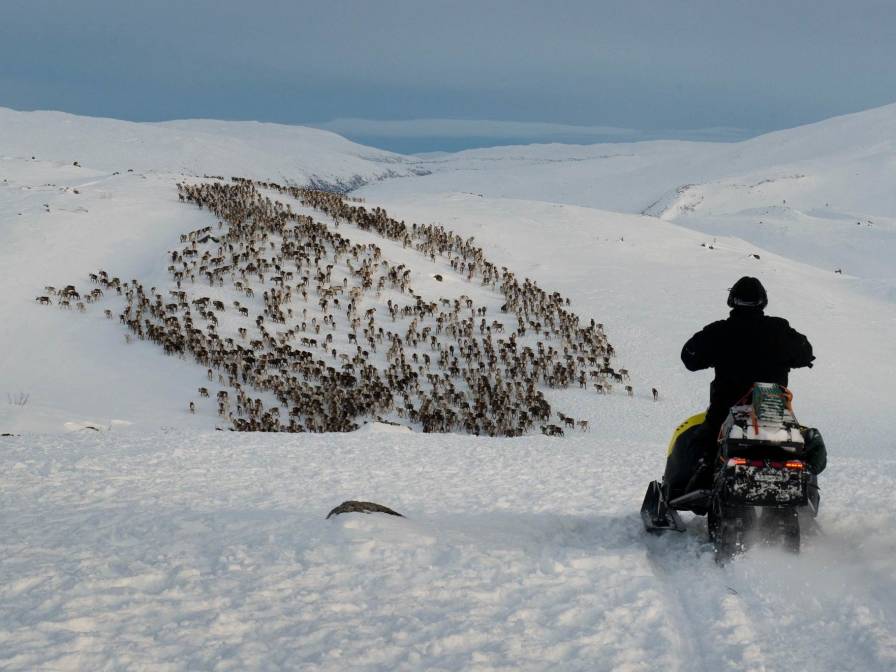
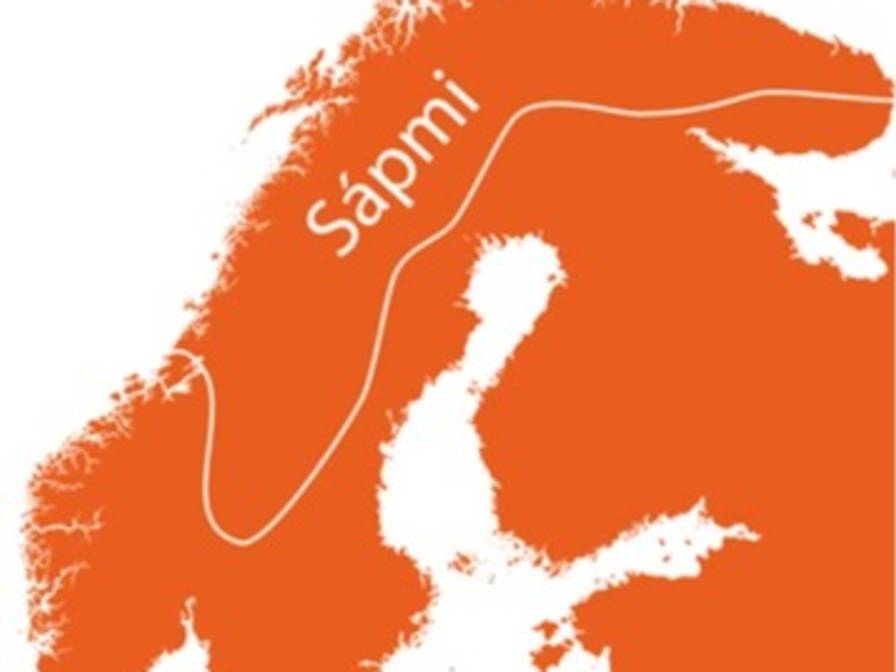
Did you know that the Sami are considered the only indigenous people in Europe? The Sami settlement area, which we call Sápmi, extends over large distances and into four countries: Norway, Finland, Sweden and Russia. The Sámi call themselves a borderless people, with strong family and friendship ties regardless of the nation states in which they live. After all, the Sami people lived in these areas long before the borders were established. The traditional Sami industries are reindeer husbandry, small farms and fishing, as well as the outfield industry [non-agricultural land management]. There are still many who work in the traditional industries, but today the majority of Sami in Norway have completely ordinary occupations and live in ordinary houses just like Norwegians. Sami are modern people just like you. One misunderstanding that crops up in debates about Sami rights in Norway is that the term “indigenous” means that the people in question must have been the first people to reside in the place. Another is that that people must live without modern technology, "as in the old days". These are both incorrect. According to ILO Convention No. 169, which Norway ratified in 1990, indigeneity relates to whether the group has a connection to a specific area from before the current state borders were established. In recent decades, the rights of indigenous peoples have been increasingly recognized both internationally and in Norway, and there have been a number of legal provisions and international conventions important to Sami rights. Legal provisions ensuring that the Sami language, culture and social life are protected can be found in the Sami Act, the Human Rights Act, the Education Act and the Reindeer Husbandry Act. The term “indigenous” defines about 370 million people around the globe. A common feature in the history of many indigenous peoples is that their culture has been suppressed by central authorities, and that they have experienced long-term assimilation policies. This is true for the Sami in Norway.