
Test sa Panzom

0
Opis rute
Audio guides available in:
English (British), Hrvatski
0
Opis rute
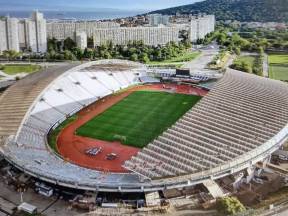
Poljud Stadium, officially known as Gradski stadion Poljud, is located in the city of Split, Croatia. It was opened in 1979 for the Mediterranean Games. The stadium is famous for its unique architectural design. Its roof resembles a seashell or a sea wave, perfectly matching the nearby coastline. Poljud was designed by architect Boris Magaš and is considered a masterpiece of modern architecture. Poljud is the home stadium of HNK Hajduk Split, one of the oldest and most successful football clubs in the region. The stadium has a capacity of around 34,000 spectators. Hajduk’s fans, known as Torcida, are famous for creating one of the most passionate atmospheres in European football. In addition to football matches, Poljud has hosted major concerts, athletics events, and international sports competitions. The stadium also includes the Hajduk Museum, where visitors can explore the rich history of the club. More than just a stadium, Poljud is a symbol of Split, representing the city’s strong connection to sport, the sea, and local identity.

Beneath the iconic Marjan Hill in Split lies a fascinating tunnel that dates back to World War II. Originally constructed as a shelter for locals and a strategic military site, this underground passage has become a hidden gem for visitors. The tunnel stretches approximately 350 meters, winding through the earth and showcasing impressive stonework and historical significance.
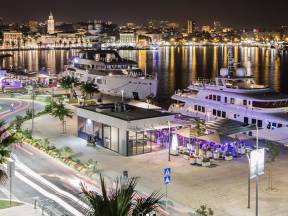
Stretching gently along the Adriatic Sea, the West Coast of Split, known as Zapadna obala, is where the city slows its pace and turns toward the horizon. Just steps away from the ancient walls of Diocletian’s Palace, this modern promenade offers a quieter, more reflective side of Split. Beneath your feet lies smooth white Brač stone, glowing softly in the Mediterranean sun. To your right, the sea opens wide — calm, blue, and timeless — dotted with elegant yachts resting in the marina. To your left, the city rises, blending centuries of history with contemporary life. As you walk, you may notice bronze plaques embedded in the stone. These honor Olympic medalists from Split, reminding visitors that this city is not only shaped by emperors and sailors, but also by athletes whose achievements reached the world stage. The West Coast is especially magical at sunset, when the sky turns gold and crimson, and the sea reflects the fading light. Locals pause here, couples stroll slowly, and the sounds of the city soften into the rhythm of waves. More than a promenade, the West Coast is a place to breathe, to reflect, and to feel the deep connection between Split, the sea, and the lives shaped along this shore.