The Fjord Farms
0
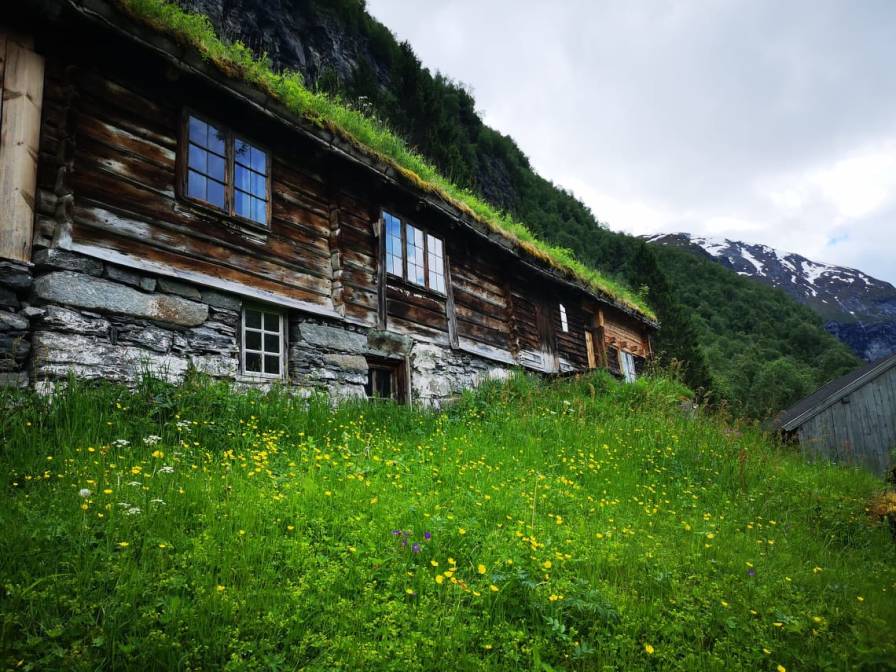
‘If you have a farm, you have a livelihood’ a father on one of the fjordside farms told his son, and encouraged him to buy the farm that was for sale on the opposite side of the fjord. The farm was located in steep terrain, but was fairly safe from avalanches, there were some patches of arable land, ample mountain pasture for the animals, rich hunting grounds and an abundance of fish in the fjord. With some cunning and hard labour, a livelihood and a good life could be had there. This was more than one hundred years ago. We will be passing many of these fjordside farms, which are unique to this region. They sit on mountain ledges, under crags or down by the water. You may perhaps wonder why people chose to settle in such steep and inaccessible places, so far from other people and in persistent risk of avalanches in hazardous terrain with no roads. The story of the fjordside farms and the people who lived there is the story of people who did what they had to do in order to make a livelihood. They adapted to the natural conditions as well as they could, and stretched the resources as far as possible. Many led good and rewarding lives on these farms. But the distance between hope and despair could be short – a false step, a loose and wet stone could mean sudden death. By the late 1960s, all the fjordside farms had been abandoned. Norwegian society had changed enormously, and staying had become too onerous and hard. Many did not want to live with the avalanche risk any longer. In an interview in old age, one of those who left her mountain farm and moved to the village of Hellesylt said that: ‘Even though it was a relief to move away from there, it was as if a piece of me remained. It felt as though I left my happiness behind on that ledge.’