



The Customs headland and the Maritime Museum
0
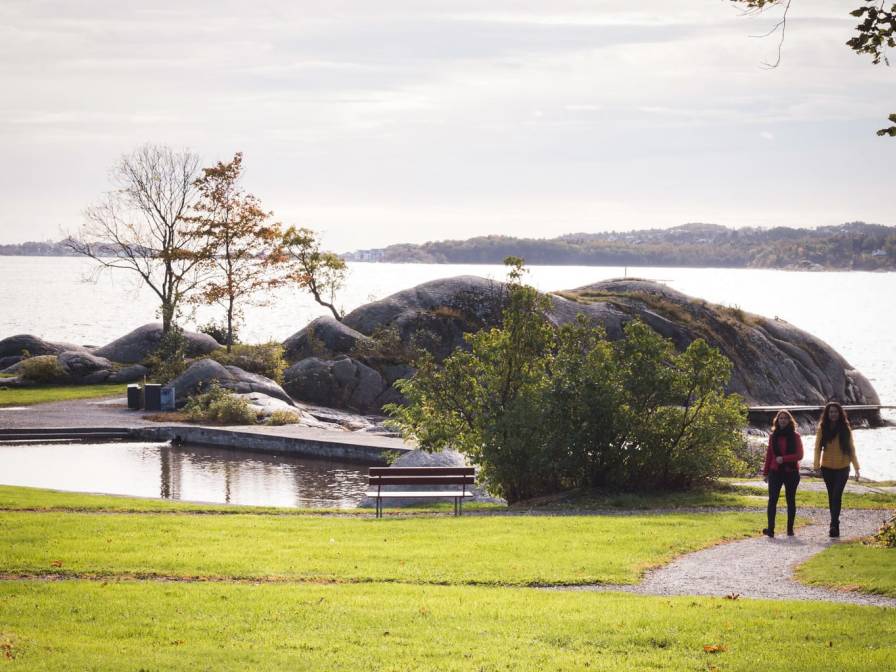
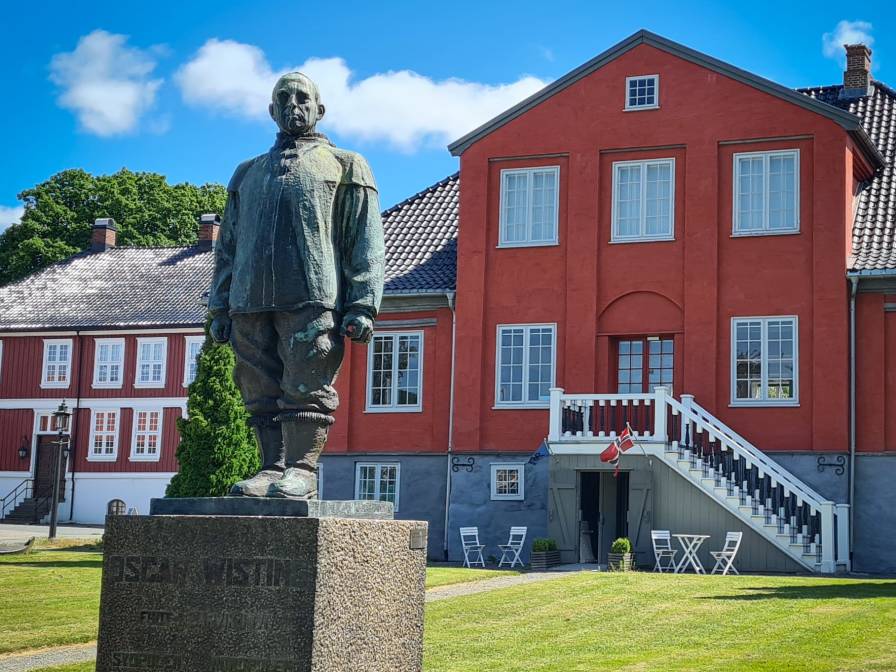
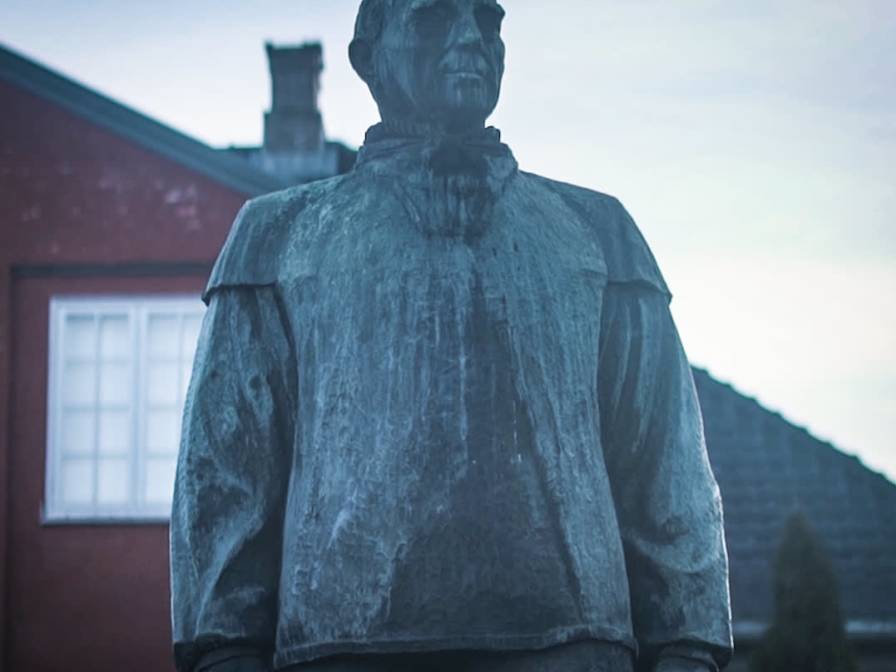
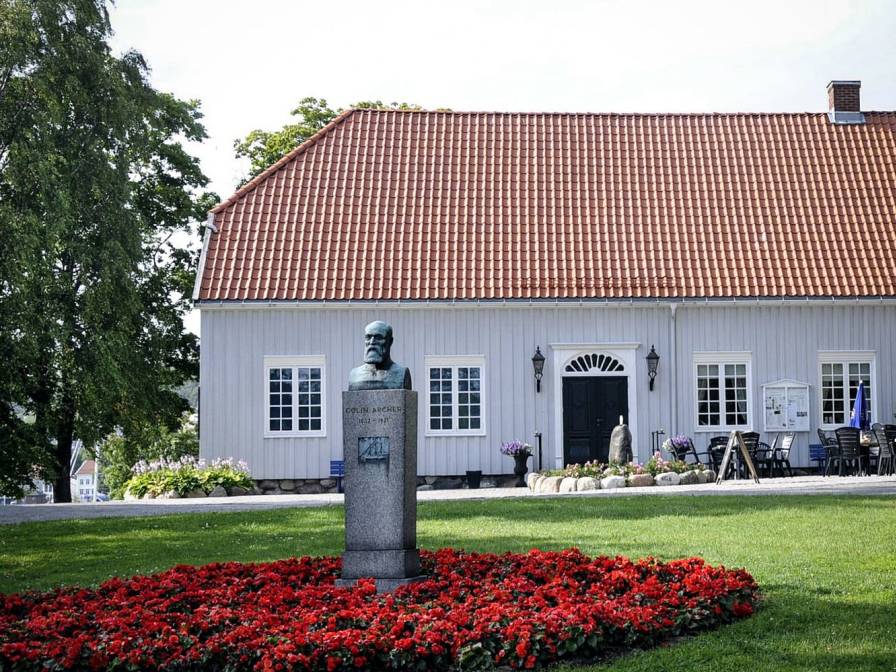
When Jørn Lier Horst created a new Norwegian crime hero, he chose to name him Wisting, as a kind of homage to a real hero who, like Wisting, was not afraid to venture into unknown waters. William Wisting's origins were in fact Oscar Wisting, the polar hero who, together with Roald Amundsen, was the first in the world to visit both the South- and the North Pole. In the book "The Key Witness", we are introduced to William Wisting's ancestor: "Wisting stood with the coffee cup in his hand and enjoyed the panoramic view from the office window. To the left was "Tollerodden" with the park and the childhood home of Colin Archer, who built and launched more than 200 boats there a hundred years ago. Below the church, he could also glimpse the Maritime Museum where a statue of Wistings ancestor, Oscar Wisting, was placed here in memory of Roald Amundsen's closest colleague and traveling companion." The area where you are standing now is called "Tollerodden" ("The customs headlands") and got its name from the customs business that was conducted here from the late 1600s until around 1800. The large, red stone building is called "Gamle tollbod" ("Old customs booth") and now houses the Maritime Museum. This is Larvik's oldest surviving stone house, built in 1730. In front of the building, facing the sea, is the statue of Oscar Wisting.