Forge
0
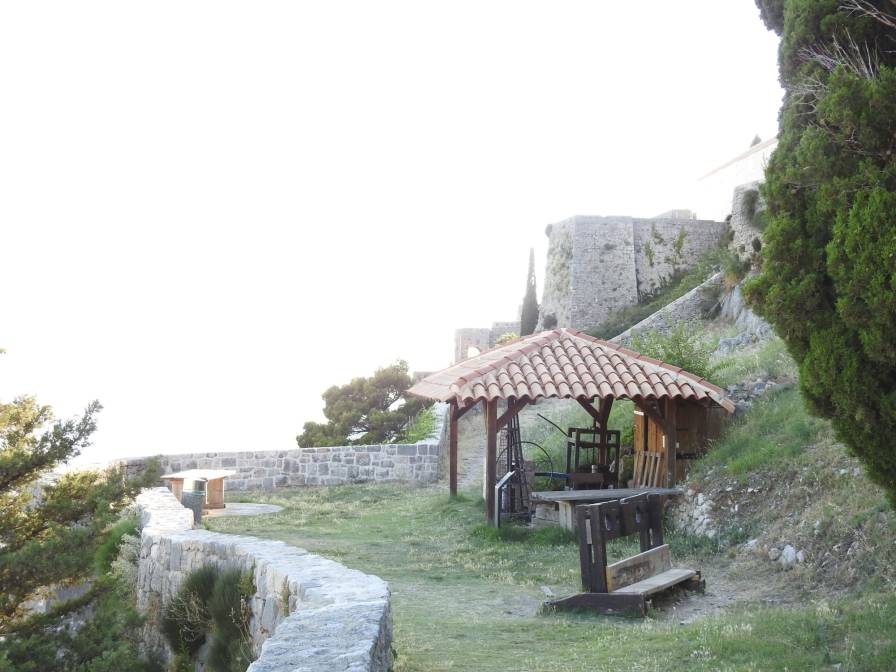
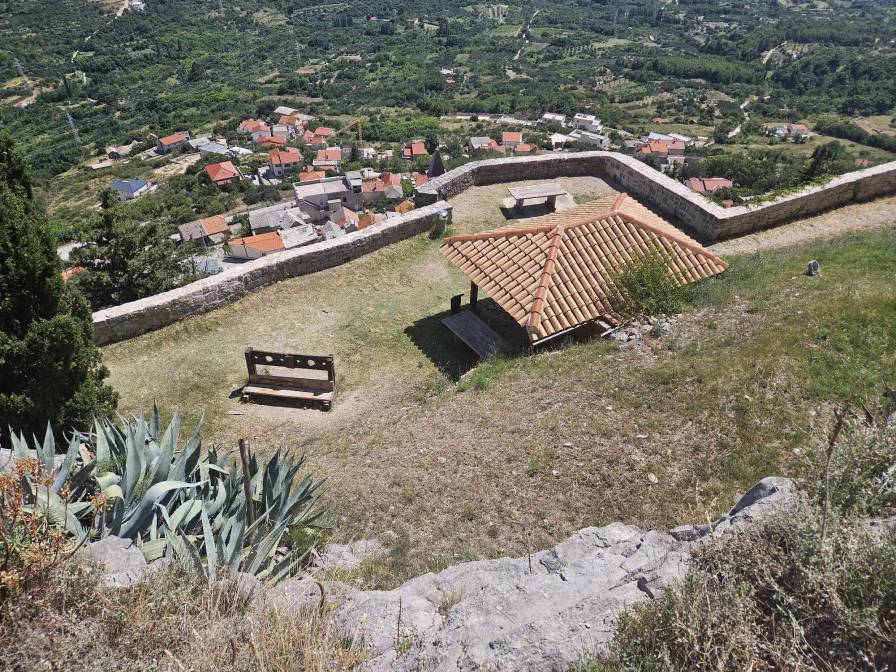
At the heart of the fortress, this forge was a vital center for military production and maintenance of weapons. This workshop was where, under the tireless blows of hammers and with the help of fire, key parts of weapons and equipment were shaped, without which the fortress could not withstand long-term sieges and frequent military conflicts. The forge was equipped with furnaces for heating metal, anvils, hammers and other tools necessary for processing iron and steel. Blacksmiths made and repaired a wide range of weapons there – from cold weapons such as swords, spears and axes to parts of firearms, including cannons, rifles and other mechanisms for shooting enemies. In addition to weapons, blacksmiths made and maintained door fittings, chains, catapult frames and other parts of the fortress’s defense systems. Work in the forge was extremely demanding and technically complex. Blacksmiths had to have knowledge of metallurgy and the skill of shaping metal, but also speed and precision, because during sieges every moment was precious. Maintaining weapons and equipment was crucial to the survival of the defenders, and the forge allowed damaged parts to be quickly repaired or replaced with new ones without the need for external supplies, which was often impossible due to enemy blockades. The forge's location within the fortress allowed for the efficient distribution of finished products to soldiers on the front lines of defense. During the most intense conflicts, such as the sieges led by Captain Petar Kružić in the 16th century, the forge operated almost continuously, ensuring that the defenders had functional weapons and equipment needed to defend the fortress. Today, although the forge as a working space no longer exists in its original form, its role in the history of Klis Fortress is recognized as an important part of the military and technical heritage of the area.