


Waterfront
0
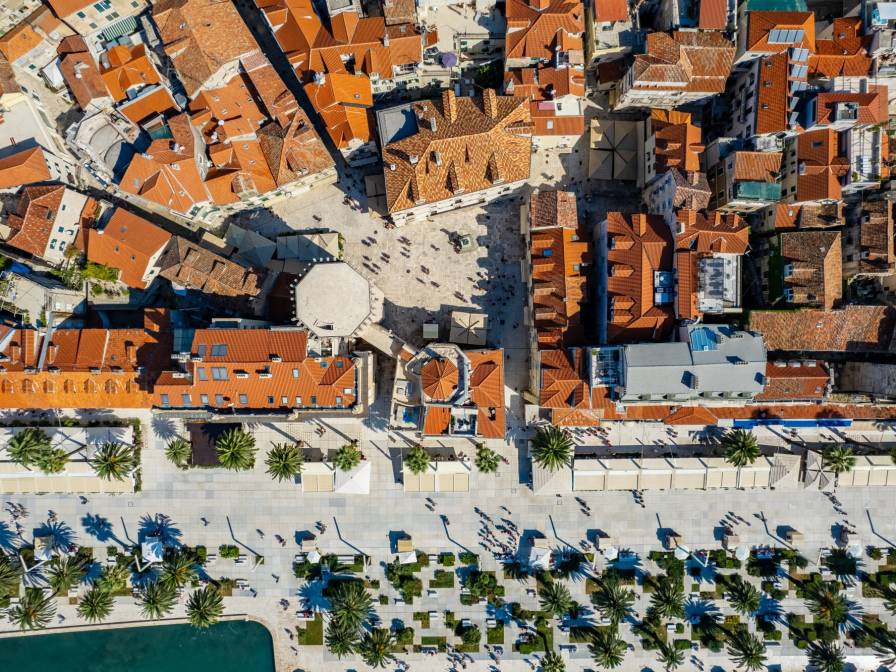
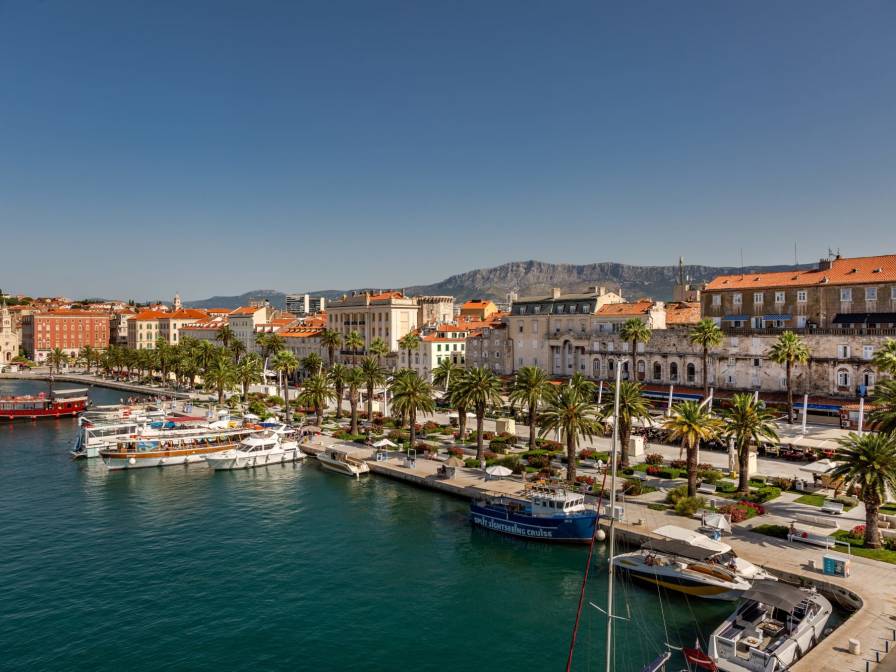
The Riva in Split is not just a promenade, but an area with a rich history and a key role throughout the centuries. As early as the 11th century, the port in front of today's Riva was an important center of maritime trade, connecting Split with the interior of the Balkans and the entire Mediterranean. In the 14th century, it was named the port of St. Nicholas, the patron saint of sailors, and even then the coast was protected by walls and fortifications from flooding and enemies. During Venetian rule (1420–1797), Split expanded beyond the boundaries of Diocletian's Palace, and the coastal walls and towers further emphasized the importance of the Riva as the center of the city and port. At the beginning of the 19th century, during the French administration, Marshal Marmont ordered the demolition of part of the old fortifications in order to open the city to the sea. The material from the demolished walls was used to fill in and form the current coast, which gave the Riva its recognizable appearance. The first palm trees were planted between 1920 and 1922, bringing a true Mediterranean atmosphere and additional appeal to the Riva. Today, a walk among the palm trees is the trademark of Split's Riva. Throughout history, the Riva has been the center of important events and celebrations. Hajduk's greatest victories were celebrated here, when the entire city would come out to the Riva, sing fan songs and celebrate until late into the night. A special moment that will forever remain etched in our memory is the welcome of Goran Ivanišević after winning Wimbledon in 2001, when more than 100,000 people came to greet the Split tennis hero, and ships and boats created a bridge from the West Bank to the Port Authority. The largest Split festival, Sudamja, gathers thousands of people on the Riva every year. The program includes cultural, sports and entertainment events, and the highlight is the procession and open-air concerts. Sudamja is more than just a celebration - it is a moment when Split shows its unity and tradition. The Riva was the place where the first Split cafes and pastry shops were opened as early as 1786, confirming its long-standing role as the heart of social life. The Riva is also home to important historical buildings: the southern facade of Diocletian's Palace with the entrance to the Cellars, the Franciscan Monastery with the Church of St. Francis, the Bajamonti Dešković Palace and the Port Authority. Even today, the Riva is a favorite place for walking and socializing, and its history and architecture make it one of the most important symbols of Split.