
Marjan Forest Park
0
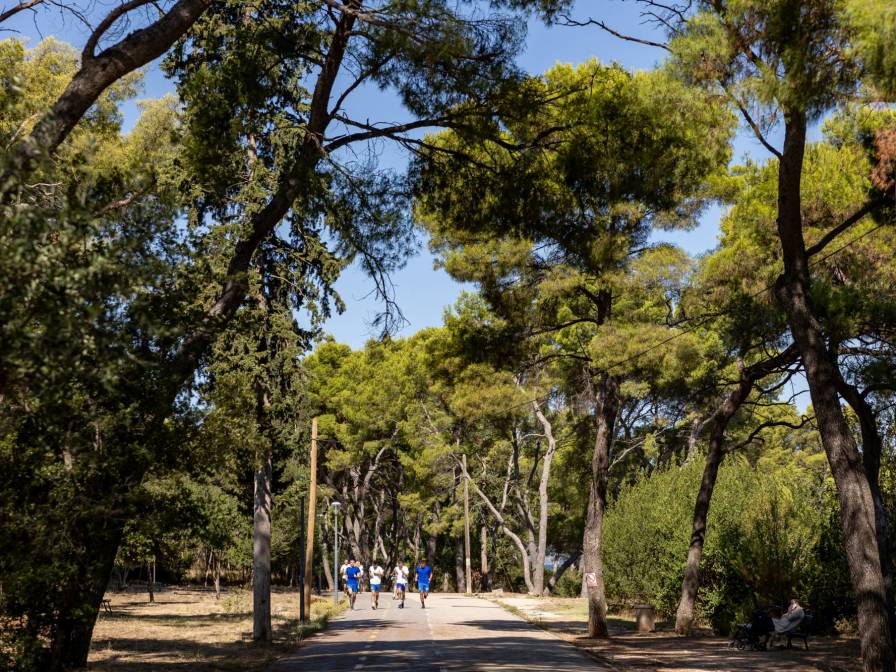
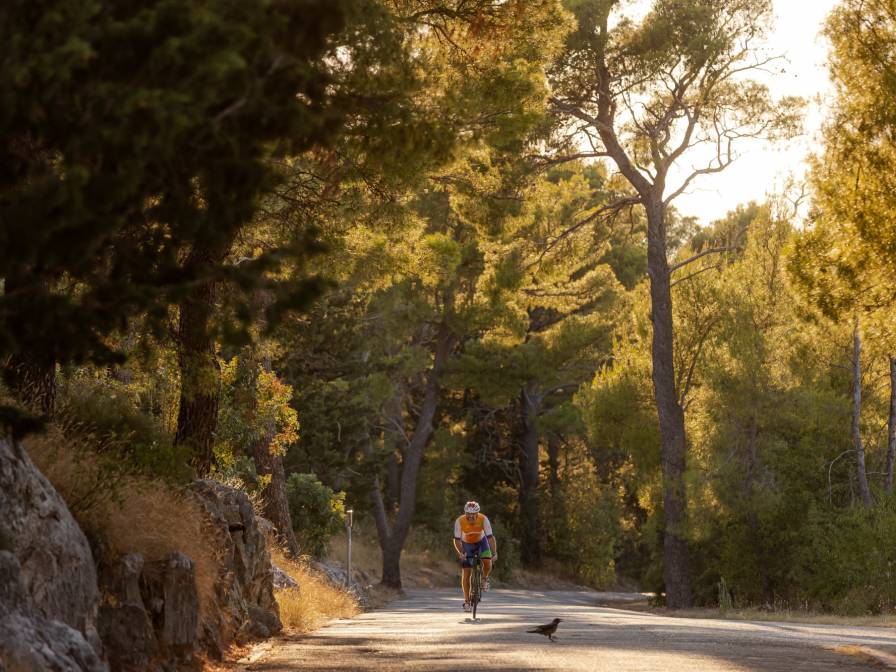
You are on a hill that rises in the western part of Split, and has had the status of a protected area for more than a century. Today it has been declared a park-forest and is one of the most important places for recreation, rest and spending time in nature for the inhabitants of Split and visitors to the city. The area of the park-forest is about 340 hectares, including forest areas, paths, beaches and cultural and historical objects. Historical records show that Marjan was inhabited since ancient times. During the Middle Ages, churches were built here, which are still preserved today - such as St. Nicholas, St. Jerome and St. George. In the 13th and 14th centuries, the area was used for grazing and vineyards. In the 19th century, organized planting of pine trees and greening of the area began, and in 1852 the first official promenade was built. The park-forest was officially protected in 1964. Marjan has several well-maintained hiking and cycling trails, viewpoints, beaches and cultural spots. From viewpoints such as Prva and Druga vidilica, but also from the top of Marjan (178 meters above sea level), it is possible to see the whole of Split, the Kaštela Bay, Mosor and the central Dalmatian islands. On the southern slopes there are famous beaches (Kašjuni, Bene, Prva voda), while the northern side offers a view of Lora and the Kaštela Bay. Within the park-forest there is also the Jewish cemetery from the 16th century, the church of St. Jerome next to the hermit's cave, and Meštrović's Kaštelet - an art space with works by Ivan Meštrović. In the western part is also located the Institute of Oceanography and Fisheries, founded in 1930. Marjan also has an important ecological role. Several species of birds, mammals and plants live here, and the area is crucial for the city's microclimate. Although it has been subjected to urbanisation pressure in the past, Marjan is now managed by the Public Institution for Park-Forest Management, which carries out protection, maintenance and educational activities. Marjan is seen as the "lungs of the city" and an integral part of Split's identity. Access is possible from several points, including the steps from the Riva towards Vidilica, the road entrance to Bene, or via the First and Second Peaks from the direction of Mejo and Spinuta.