Mestrovic Gallery
0
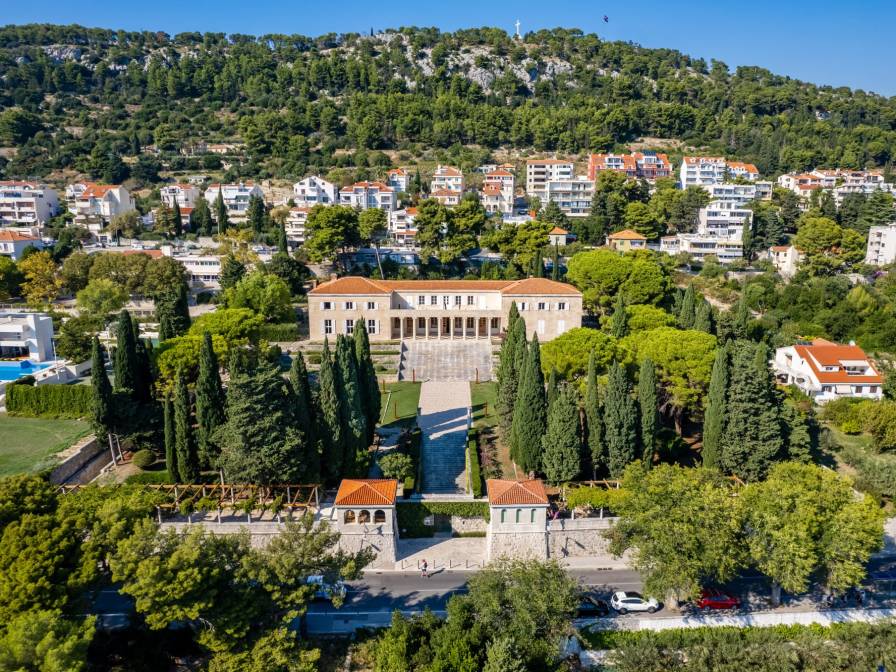
The Meštrović Gallery in Split is the most important gallery institution dedicated to the life and work of Ivan Meštrović, one of the most important Croatian sculptors and architects. It is located on the southern slopes of Marjan, overlooking the sea, in a villa that Meštrović designed and had built between 1931 and 1939 as his future home, studio and exhibition space. Today it is a representative museum space that preserves a large number of his works and provides an insight into his artistic and life legacy. The Gallery houses more than 190 sculptures made in stone, bronze, wood and plaster, covering all phases of Meštrović's work - from early symbolist and Art Nouveau works to later classical and sacred themes. In addition to the sculptures, there is also a collection of drawings, paintings, architectural project plans, personal items and documentation related to Meštrović's life and work. The east wing of the ground floor is reserved for sacred works – such as the wooden Adam and Eve and the monumental Pietà – while the first floor features an exhibition inspired by different styles, from Art Nouveau to Art Deco, as well as cycles related to biblical themes. The gallery space consists of an indoor museum with exhibition halls arranged over two floors and an outdoor space with terraces and gardens where monumental sculptures are placed. The gallery is particularly valuable because Meštrović personally participated in the design of the entire space, from the architecture of the villa to the arrangement of the sculptures, so the museum itself reflects his artistic vision and style. In the gallery courtyard there is also the Chapel of the Holy Redeemer, also known as Meštrović’s Crypt, which houses his wooden sculptures with religious motifs. Although it is physically located in the nearby Kaštelet, it is part of the same museum complex and is available to visitors as part of a tour. The Meštrović Gallery has been open to the public since 1952, when Ivan Meštrović donated the villa and a large part of his works to the state. Today, it regularly hosts temporary exhibitions, lectures, concerts and cultural programs.