Bayamontusa
0
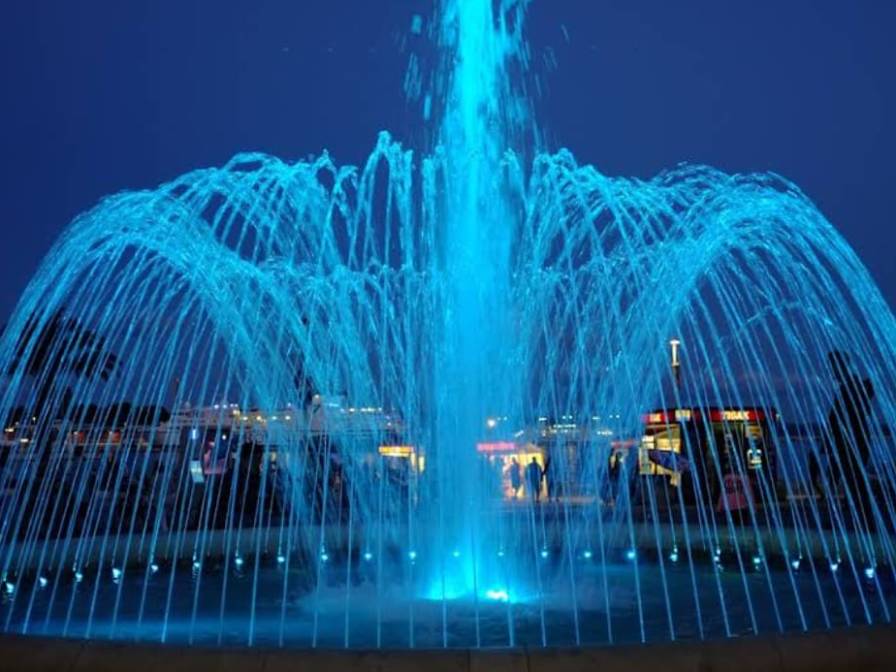
You are standing in front of the place where the famous Bajamontuša, or Monumental Fountain, once stood, which adorned the Split waterfront in front of Prokurative Square in the second half of the 19th and first half of the 20th centuries. This large fountain symbolized the arrival of the first running drinking water in Split – one of the most important events in the city’s history. The fountain was initiated by the then progressive mayor of Split, Dr. Antonio Bajamonti, and was sculpted by the Italian sculptor Luigi Ceccon according to the order and design from the Milanese workshop F. Dall’Ara e Comp. The construction was a true civic work: funds were raised by as many as 1,322 donors, among whom were important citizens, artists and academics, and about 20,000 forints were collected – a huge amount for that time. The fountain was opened in 1888, immediately after the city water supply system with a source on the Jadro River was built. It impressed with its rich decoration – allegorical sculptures depicted the Jadro River, the Adriatic Sea and various marine figures, while the top of the fountain was adorned with the figure of a young man pointing east with his raised hand, symbolizing the development and future of Split. Bajamontuša soon became a favorite motif on postcards and photographs and a proud symbol of the city’s urban and economic progress. Unfortunately, in 1947, the fountain was demolished by order of the then authorities for political reasons – as an unwanted reminder of past regimes. Today, its preserved parts are kept in the Split City Museum, and the original location remains a permanent reminder of the era of great urban changes. Although the original monument no longer exists, a new, modern, circular fountain has been installed in the same place. This minimalist modern fountain, designed in 1947 according to the idea of the architect Milorad Družeić, is distinguished by its unobtrusive design with its simple pool with a fountain and flower beds. Although aesthetically and historically it is not comparable to the original Bajamontuša, the new fountain symbolizes the continuity of the public function of this space.