Munkholmen
0
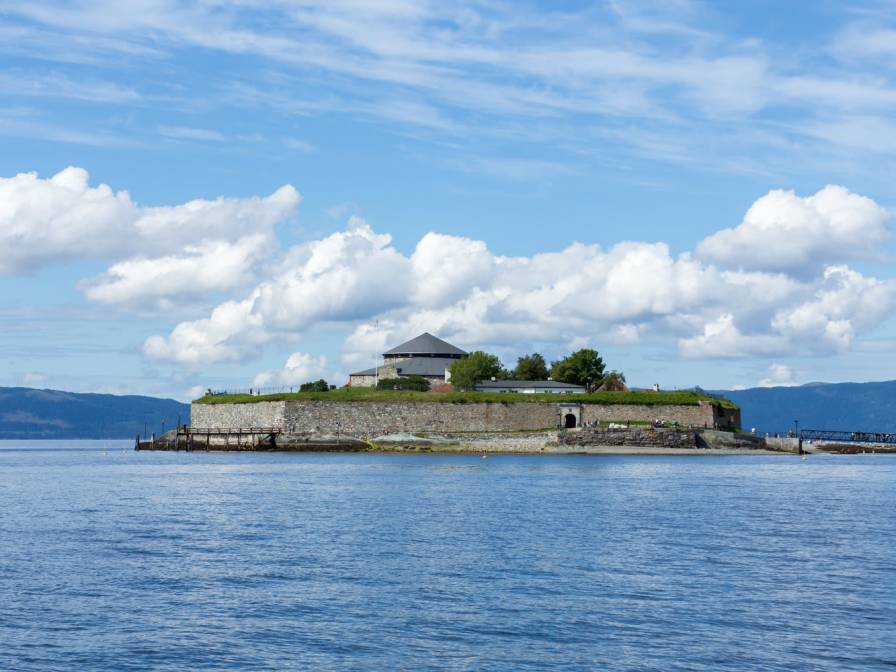
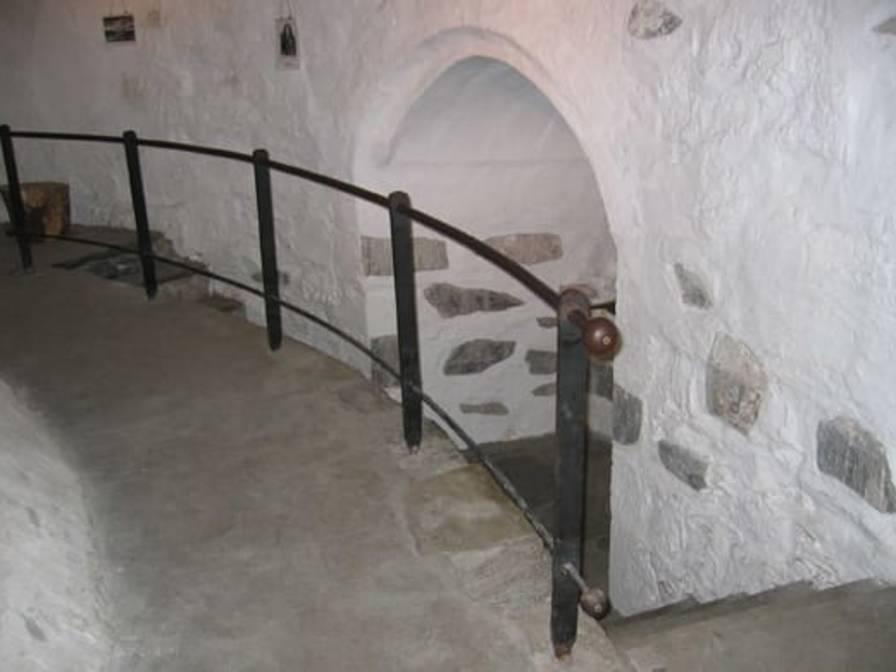
We’re now passing Munkholmen — a peaceful, beautiful little island today, but one that hides a long and dramatic history. It was here in the year 995 that the founder of Trondheim, Olav Tryggvason, had Håkon Jarl and his slave Kark beheaded. Their heads were placed on a tall pole, known as a “nidstang,” as a warning to others. Already in Viking times, the island served as an execution site, but by the 11th century, its role had shifted completely. A Benedictine monastery — one of the first in Norway — was established here, and it gave the island its name: Munkholmen, or “The Monks’ Islet.” For many years, it was a place of prayer, learning, and silence. Under Danish rule, however, the island’s story took another turn. In the 17th century, it was converted into a fortress with thick ramparts and cannons, built to defend Trondheim from naval attack. It also became a state prison, housing high-profile inmates like Peder Schumacher Griffenfeld, once one of Denmark’s most powerful men. Today, Munkholmen is a popular excursion spot for swimming, picnics, and guided tours. And if you're curious how it felt to sit in a cold, damp prison cell — you can still visit one. If you dare.