Vega
0
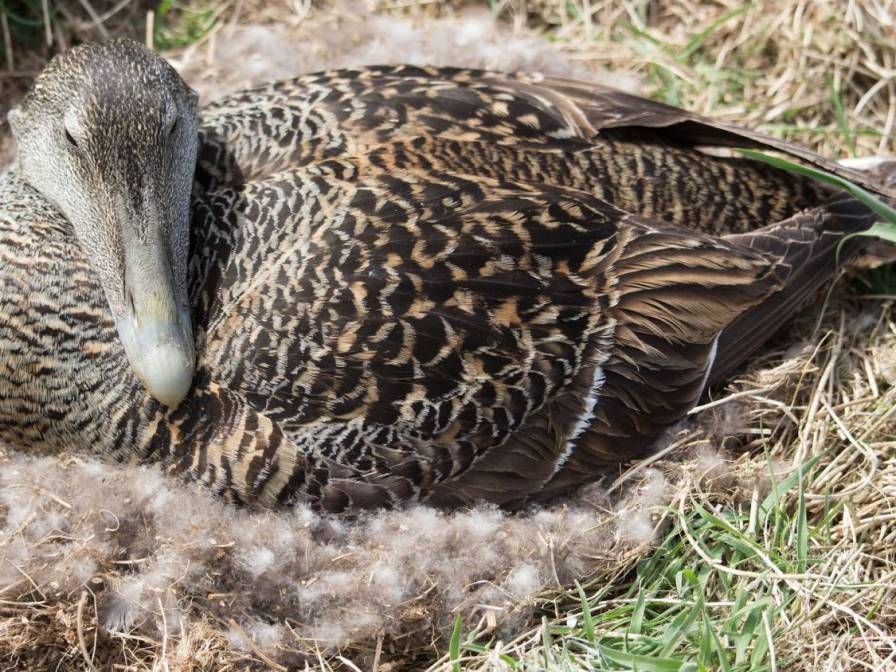
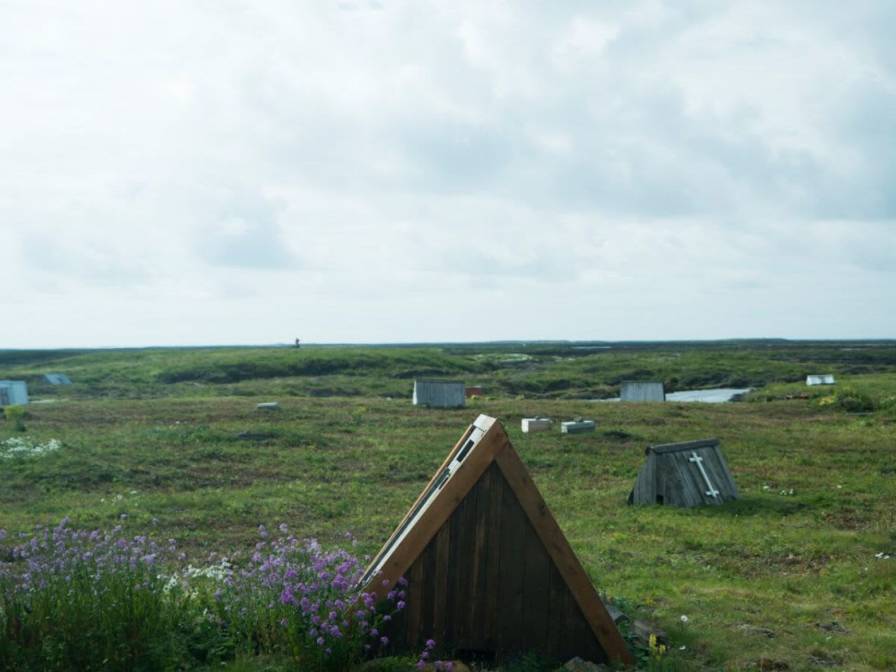
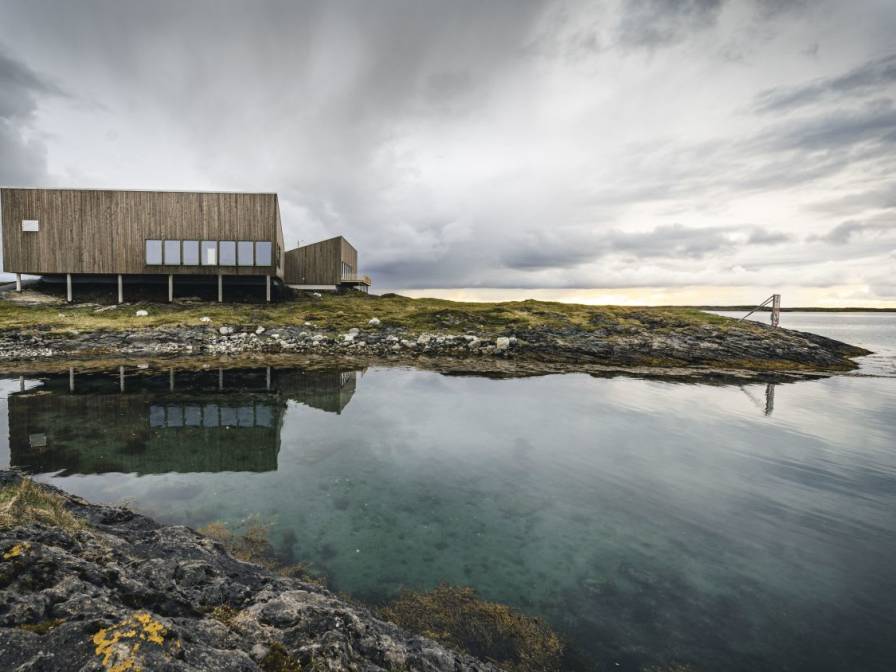
Rising from the ocean like a jewel, the island of Vega and its surrounding archipelago stretch out toward the vast Atlantic. At the center stands Gullsvågfjellet, a dramatic, alpine-like peak reaching 725 meters above sea level. Around it lie more than 6,500 islands, islets, and skerries, forming a landscape unlike any other. In 2004, this area was inscribed on UNESCO’s World Heritage List. The Vega Islands were recognized not only for their natural beauty, but for the unique relationship between people and birds. For centuries, women here have cared for the eider duck, building small shelters for them and collecting the precious down they leave behind. This sustainable tradition is unique in the world and speaks of a culture deeply rooted in harmony with nature. Vega is the largest of the islands and has been inhabited since the Stone Age. It is home to fishing villages, farmland, and tight-knit communities that still carry the spirit of coastal heritage and shared effort. Many choose to go ashore to visit the Vega World Heritage Centre at Gardsøya, or to learn more about the eider traditions at Nes. But even just passing through this seascape by boat offers a sense of something rare and real – a place where people have lived with nature, not against it, for generations.