
Gravhalsen
0
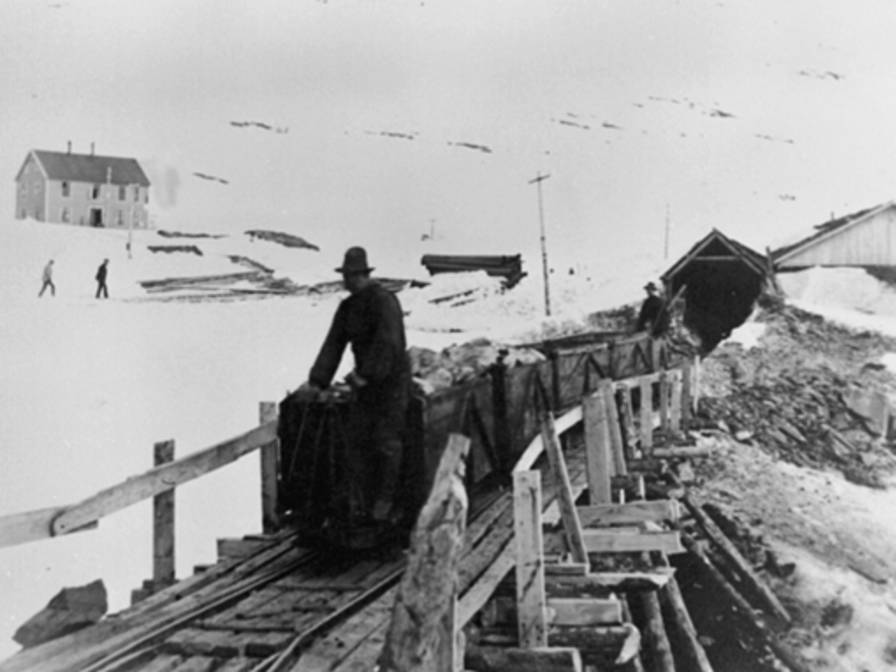
We are now driving into the Gravhals tunnel. In its time it was Europe’s longest tunnel and became a pioneer project for other tunnels. To dig through 5.3kms of granite mountain at this height undoubtedly required exceptional engineering expertise. Gravhalsen was measured and calculated using triangulation between the mountains on the east and west sides. The survey took nearly 3 years and involved building platforms in stone in several places on the mountain. These platforms were used as the fixed points for the surveyors, this thorough work paid off! When they broke through to the middle of the tunnel the measure of deviation was only 4cms. A remarkable achievement considering the length of the tunnel and the tools that they had at their disposal at that time. The work took 6 years all together and the tunnel was dug manually from both ends. The hard rock made the progress slow and the work demanding. In the beginning they were digging only a metre a day, which was not enough. To rectify this they built a small power plant, bought in drilling machines and hydraulic drills. In this way they managed to double the progress so that the tunnel was completed in 1906. Gravhals tunnel was the biggest single project on the Bergen line. A supply road was built from Flåm to Voss to transport materials to the building site and there were several hundred men at work at both ends of the tunnel.